Social-Cultural & Linguistic Anthropology
Socio-Cultural Anthropology and Linguistic Anthropology
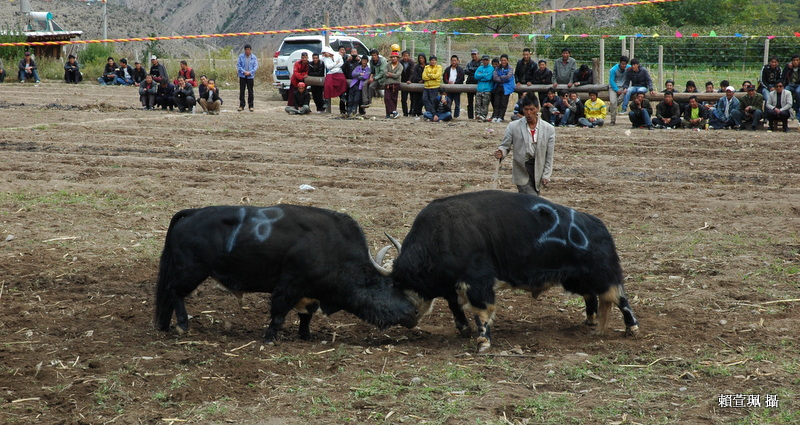
Topical interests in socio-cultural anthropology engage faculty and students that are wide-ranging and continually evolving in step with rapid socio-cultural change in Taiwan and around the world. Recent faculty and student topical interests include religion, performance, medicine, globalization, citizenship, neo-liberalism, law, ecology, landscape, ethnicity, gender, social and cultural change, and history. Areal foci center on East, Northeast, and Southwest Asia, although there is also considerable interest in the Pacific, Europe, the Americas, and elsewhere. However, undergirding this personal and collective diversity in theoretical and areal interests is a clear unity of purpose. Socio-cultural anthropology at NTHU's Institute of Anthropology places a distinctive emphasis on fieldwork and ethnographic writing as a form of disciplined creativity.
On the one hand, fieldwork and ethnographic writing depends upon an openness to the unexpected-yet-inevitable novelty of the lives of real people. Beginning in the first years of the NTHU anthropology program, a well-funded summer fieldwork practicum program has annually been an integral component of our course in anthropological methods as well as part of an annual fall workshop on research results. The individual and collective ethnographic experiences and writings of faculty and students involved in the socio-cultural and linguistic anthropology side of anthropology in our Institute have taught us that effective fieldwork and ethnographic writing is professionally and personally a challenging opportunity. From the first year fieldwork practicum and continuing through the thesis and dissertation fieldwork, students learn to write field notes, theses, and dissertations where the possibilities and problematics of writing society and culture are intensively practiced.

On the other hand, fieldwork and ethnographic writing also challenges us to be open to theoretical innovation so that received anthropological knowledge recognizes and confronts these unanticipated diversities and complexities. This involves library work and critical writing. Coursework in socio-cultural anthropology—from the history of anthropology to special topics in contemporary socio-cultural theory, from anthropological methods to area courses—stresses the coterminous acquisition of analytical and writing skills grounded in a close reading of a broad literature in the human and social sciences in general and in socio-cultural anthropology in particular. Writing genres which are given special emphasis for gaining a grounding in anthropological theory include critiques, reviews of the literature, proposals, theses, and dissertations.
Although linguistic anthropology is less prominent, a theoretical and ethnographic emphasis on language, culture, and society is an important undercurrent in the research of many faculty and students, occasionally a direct interest of select faculty and students. Important interfaces between socio-cultural anthropology and linguistic anthropology include religion and performance, social and cultural change, and history. Socio-cultural anthropology and linguistic anthropology in our institute intersect in pivotal ways with anthropological archeology and biological anthropology. This intersection includes socio-cultural anthropology with historical anthropology and with medical anthropology in particular as well as with law, ecology, and landscape. Finally, socio-cultural anthropology and linguistic anthropology in our institute includes active involvement in public anthropology (a commitment to anthropological engagement beyond academia as well as a commitment to anthropological responsibility for promoting human well-being) incorporating interdisciplinary activities, interests in democracy studies, museumology and cultural-heritage, nongovernmental organizations, continuing education, and new media.