Archeology and Biological Anthropology
Archeology and Biological Anthropology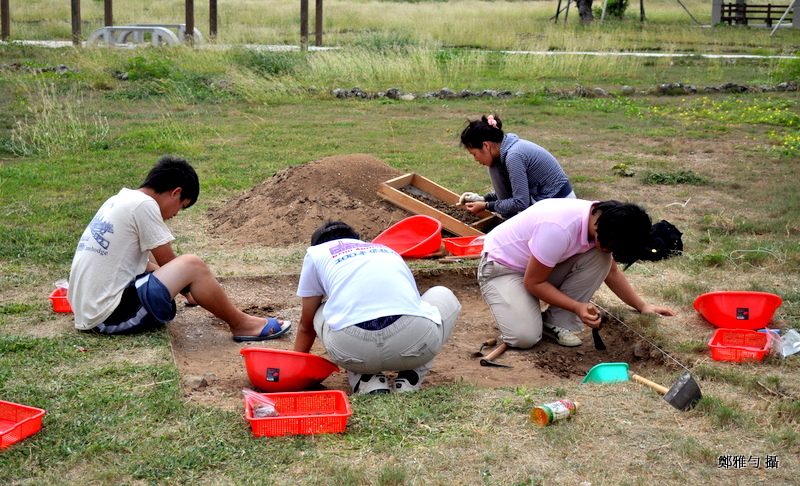
Archeology and biological anthropology faculty and students in our institute participate in some of the most unique and influential ongoing research projects in archeology in East Asia.
A short list of ongoing projects includes:
1. National Science Council Research Project for Processing of Artifacts Excavated During Salvage Archeology at the Tainan Science Park 台南科學園區搶救考古出土文物整理計畫(臧振華、李匡悌、邱鴻霖)
2. Ministry of Culture Underwater Archeology Project for Maritime Taiwan 文化部台灣海域水下考古研究計畫(臧振華)
3. TaiTung County Research Project for the Archaeological survey of the Caves BaXianDong in ChangPin Township 台東縣長濱鄉八仙洞遺址研究計畫(臧振華、李匡悌)
4. Research Project for the Historical Archaeology of the San Salvador Castle at Hoping Island, Jilong city. 基隆和平島聖薩爾瓦多城歷史考古學研究計畫(臧振華)
5. 恆春半島史前野豬家養的形態學觀察和同位素標記驗證計畫(李匡悌)
Research Project for the Skeletal Morphology and Isotope Indicators of Prehistoric Domestic Wild Boars at HengChun Peninsula, PingTung County, Taiwan.
6.National Science Council Anthropology Acquisitions for Biological Anthropology 國科會生物人類學圖書採購(邱鴻霖、李匡悌)
7. Processing Project for Human Skeleton Preservation and Data Establishing for the Wankang and Nuniaokang Sites of Dahu Culture大湖文化灣港、牛尿港遺址出土人骨入庫典藏計畫(邱鴻霖、李匡悌)
8.Research Project for the Excavation of Human Skeletons at the Matzu Liang Dao Daowei Site, Matsu Archipelago 馬祖亮島島尾遺址出土人骨研究計畫(邱鴻霖與中研院陳仲玉合作)
9. Research Project for Inspection and Salvage Excavation of Archeological Sites at Southern Taiwan Science Park( the fifth) 南部科學工業園區第五期考古遺址搶救監測計畫(李匡悌、邱鴻霖參與 National Museum of Taiwan Prehistory國立台灣史前文化博物館計畫)
10. Research Project for the Historical Archeology of the Old Port of PenGang Site古笨港遺址歷史考古學研究計畫(邱鴻霖與 Tainan National University of the Arts 國立台南藝術大學盧泰康合作)
11. Processing Project for The Chen Chi-Jue Collection of Artifacts from the Indochina Peninsula 陳琦覺先生捐贈中南半島文物整理計畫(邱鴻霖)
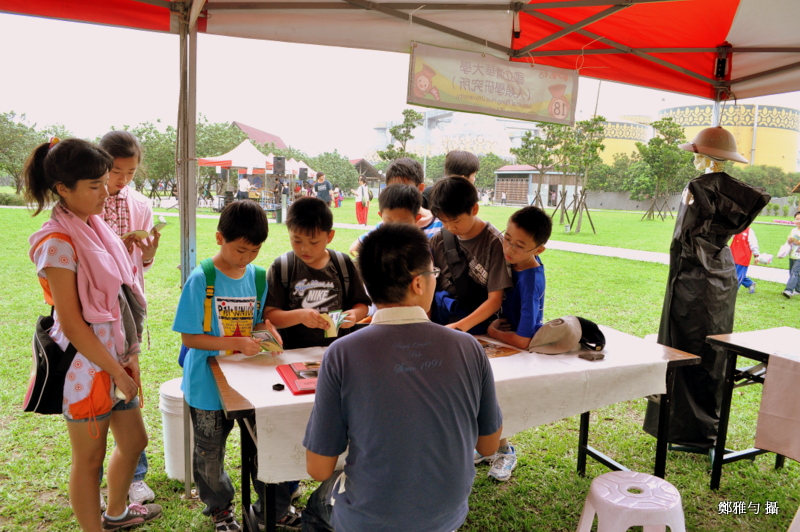
On the one hand, a commitment to disciplinary integration is commonly shared by the anthropological archeology and biological anthropology side of our program along with our socio-cultural anthropology, linguistic anthropology and public anthropology side. In addition to required courses specific to anthropological archeology and biological anthropology, students also receive a strong grounding in socio-cultural anthropology and linguistic anthropology. This includes especially, but not only, the exposure to a basic understanding of theory and an emphasis on writing culture. Additionally, faculty and students who specialize in anthropological archeology and biological anthropology are widely involved in public anthropology through activities in mass media and government policy as well as more specifically in museumology.
On the other hand, the anthropological archeology and biological anthropology side of the program contributes in special ways to our institute’s inter-disciplinary openness, notably including to a constructive dialogue with the natural sciences. Thus, scientific archeology places special weight on the opportunity provided by anthropological archeology and biological anthropology to contribute to an informed reconciliation between the natural sciences and the humanities and social sciences. An important example of the weight put on a constructive dialogue between natural science and the social sciences includes the demographic archeology of prehistoric Taiwan and the ecological prehistory of Taiwan. A similarly valuable example of this weight involves the history of seafaring in the Penghu Islands. To grasp the maritime history of the Taiwan Straight as well as that of the East Asian part of the pre-European and post-European presence requires a cross reading between historical documentation and the documentation obtained through the methods of natural science.