Public Anthropology
Public Anthropology
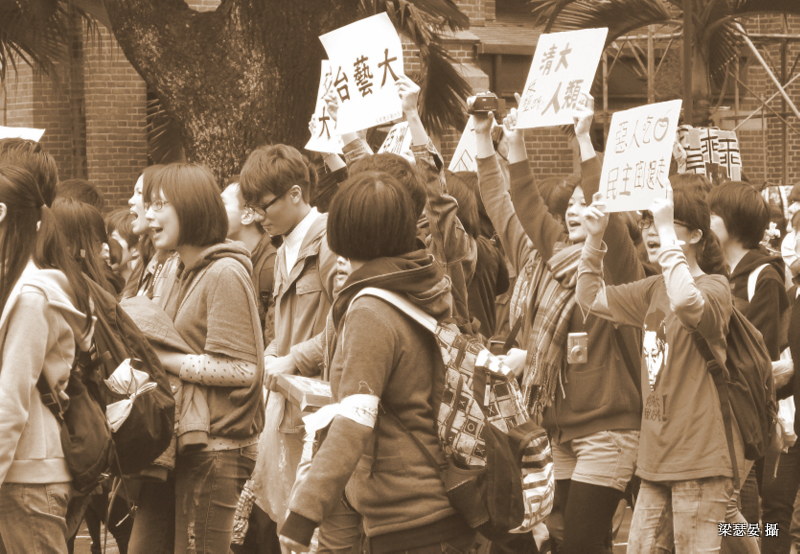
Like elsewhere in world, Taiwan anthropologists today widely agree, although not without debate and doubt, that anthropologists are also an active part of human society and as such share the same responsibilities to society as a whole. Public anthropology allows anthropologists to introduce their special training and skills beyond the confines of academia and into public, political, religious and other spaces through writing, lecturing, and community activities and political activism.
The ways and means for such public sharing and participating vary from anthropologist to anthropologist. In Taiwan, some public anthropologists prefer a more low-key commitment to public education and other forms of public service, or to activities relating to cultural resource management and tangible and intangible cultural heritage. Their emphases can perhaps falls more accurately under the rubric “applied anthropology.” However, other Taiwan anthropologists prefer a more robust engagement, where their individual and collective understandings of life in Taiwan and elsewhere are forgrounded. They use their anthropological knowledge to form the basis of critiques and calls for action while they engage in direct political immersion in Taiwan’s and the world’s direction of social change.
In addition to this humanistic angle of public anthropology, Taiwan anthropologists—including our faculty and students—also see public anthropology as one of their responsibilities as fully engaged citizens of Taiwan.
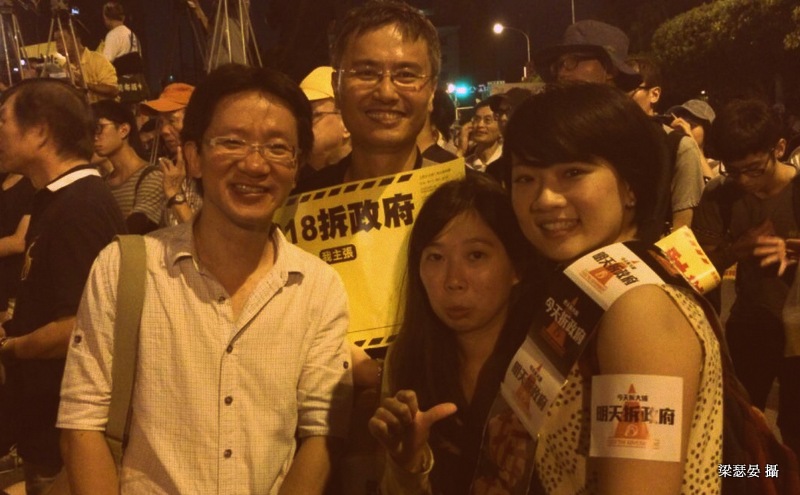
As an East Asian democracy, Taiwan has attracted considerable international scholarly attention for how democracy “works” in a historically East Asian Confucian tradition and what that experience means for other East Asian democracies as well as for other alternate political systems in East Asia. Some of our faculty and students with a scholarly interest in, and commitment to, social and cultural change in Taiwan take their civic responsibilities one step further. They participate in critical public exchanges on how an appreciation of Taiwan’s democracy is essential to a full understanding of how contemporary social change does and does not differ from Taiwan’s earlier eras of Dutch colonialism, Ming, Zheng, and Qing imperial rule, Japanese colonization, and the post-World War II Republican era of authoritarian rule. In these debates, it is widely remembered that some of our institute faculty and alumni have played important roles as public anthropologists in Taiwan’s democratization transition over the past half century.
The primary element in the public anthropology of our institute is its commitment to museumology and cultural resource management and involves institute faculty in socio-cultural anthropology and linguistic anthropology as well as anthropological archeology and biological anthropology.
Our institute has one additional important element in its public anthropology; that is, student and alumni involvement in new and old media in newspapers, magazines, novels, the Internet, radio, television, and film.