International Students (Beta Version)
Entry Requirements
Language Requirements (the Institute of Anthropology Standards)
One of the following English proficiency documents is required for both Master’s and Ph.D. applicants:
| Evidence Type | Department Requirement | University Minimum Standard | Notes |
|---|---|---|---|
| TOEFL iBT | 80 | 71 | Department standard prevails |
| IELTS | 6.5 | 5.5 | Department standard prevails |
| TOEIC | — | 750 | Department standard prevails |
| Passport from an English-speaking country | Provide proof of nationality | Provide proof of nationality | Same criteria |
| Previous degree obtained in an English-speaking country | Provide diploma/degree certificate | Provide diploma/degree certificate | Same criteria |
| Previous degree completed in an English-medium program | Provide official certification issued by the institution | Provide official certification issued by the institution | Same criteria |
Chinese Proficiency Requirements (Master’s / Doctoral Level):
| Evidence Type | Department Requirement | University Minimum Standard | Notes |
|---|---|---|---|
| TOCFL | B1 | A2 | Department standard prevails |
| Nationality from a Chinese-speaking country | — | Accepted as proof | Department standard prevails |
| Previous degree in a Chinese language-related field | — | Provide diploma/degree certificate | Department standard prevails |
| Previous degree taught in Chinese | — | Provide official certification issued by the institution | Department standard prevails |
-
Regarding the requirement of additional coursework for applicants from non-anthropology backgrounds: The Master’s Program regulations do not specify any required remedial coursework; doctoral students should follow the relevant rules stated on the first page of the PhD Program Academic Regulations.
https://anth.site.nthu.edu.tw/p/406-1394-279338,r9621.php?Lang=zh-tw -
For detailed information on both departmental and university-level language requirements, please refer to pages 7–9 and 45–46 of the Admissions Brochure.
https://oga.site.nthu.edu.tw/var/file/524/1524/img/4520/847786807.pdf -
List of English-speaking countries:
https://oga.site.nthu.edu.tw/var/file/524/1524/img/4520/821520573.pdf
How to Apply
Application Timeline
This program conducts reviews based solely on document evaluation and does not require interviews.
Fall Admission
Every year, around late November the admission brochure is announced → mid-December the online application opens → late February the application deadline → mid to late May admission results are announced → late May scholarship results are announced → mid-June deadline to confirm enrollment intention → early September registration/start of semester.
For example, based on the 2026 Fall admission information for international master's and doctoral applicants:
| Date | Item |
|---|---|
| November 21, 2025 | Announcement of the Application Guidelines |
| December 15, 2025 | Online Application Opens |
| February 25, 2026 15:00 (Taiwan Time) | Application Deadline |
| May 21, 2026 | Admission Results Announcement |
| Late May 2026 | Scholarship Results Announcement |
| June 15, 2026 | Deadline to Confirm Intent to Enroll |
| Early September 2026 | Registration / Semester Begins |
Spring Admission
Application guidelines are usually announced in early July → online application opens in early August → application deadline is at the end of September → admission results announced in late November → scholarship results announced in mid-December → enrollment confirmation deadline at the end of December → registration/classes begin in early February of the following year.
For example, based on the 2026 Spring Semester application information for international master’s and doctoral degree students:
| Date | Item |
|---|---|
| Early July 2025 | Announcement of the Application Guidelines |
| August 1, 2025 | Online Application Opens |
| September 30, 2025 15:00 (Taiwan Time) | Application Deadline |
| Late November 2025 | Admission Results Announcement |
| Mid-December 2025 | Scholarship Results Announcement |
| December 20, 2025 | Deadline to Confirm Intent to Enroll |
| Early February 2026 | Registration / Semester Begins |
-
Log in to the NTHU Online Application System for International Students:
https://nthuoga-admission.vm.nthu.edu.tw/student/index/portal
Required Application Documents
| Document Item | School Requirement | Department Requirement |
|---|---|---|
| Application Fee Receipt | Required | - |
| Online Application Form | Required | - |
| Copy of Diploma (Chinese/English) | One copy | - |
| Copy of Academic Transcript (Chinese/English) | One copy | - |
| Study Plan | One copy, up to three pages | - |
| Recommendation Letters | Two letters | - |
| Financial Statement | Required | - |
| Financial Affidavit | Required | - |
| Declaration Form | Required | - |
| Proof of Nationality | Required | - |
| English Proficiency Certificate | TOEFL 71 / IELTS 5.5 | TOEFL 80 / IELTS 6.5 |
| Chinese Proficiency Certificate | TOCFL A2 | TOCFL B1 |
-
The documents required by the department generally follow the standards set by the Office of Global Affairs, with higher requirements for certain review items. The format and content of other documents should follow the university-level regulations.
-
Details of required document submission can be found on pages 5–8 of the Admissions Brochure:
https://oga.site.nthu.edu.tw/var/file/524/1524/img/4520/847786807.pdf
Supervisor Policy
The department does not require applicants to contact or secure a prospective advisor before admission. After enrollment, an advisor will be assigned during the first semester by the Institute Chair.
Fees & Funding
Tuition and Fee Standards
Exchange rate based on May 2025: 1 USD = 30.5 TWD.
International Students
| Items | Tuition & Fees (TWD / USD) | Credit Fee (per credit) (TWD / USD) |
|---|---|---|
| Master’s in Anthropology | 26,300 / ≈863 | 2,100 / ≈69 |
| Ph.D. in Anthropology | 26,300 / ≈863 | 2,100 / ≈69 |
-
Tuition and fee standards for our department can be found on page 74 of the admission brochure:
https://oga.site.nthu.edu.tw/var/file/524/1524/img/4520/847786807.pdf
Overseas Chinese Students & Students from Hong Kong and Macau
| Items | Basic Tuition Fee (TWD / USD) | Credit Fee (per credit) (TWD / USD) |
|---|---|---|
| College of Humanities and Social Sciences | 11,080 / ≈364 | 1,580 / ≈52 |
-
The tuition and fee standards for Overseas Chinese students and students from Hong Kong and Macau can be found on the NTHU Office of Global Affairs website:
https://oga.site.nthu.edu.tw/p/412-1524-18672.php?Lang=zh-tw
Mainland Chinese Students
| Items | Basic Tuition Fee (TWD / USD) | Credit Fee (per credit) (TWD / USD) |
|---|---|---|
| College of Humanities and Social Sciences | 26,300 / ≈863 | 2,100 / ≈69 |
-
Tuition standards for Mainland Chinese students can be found on the NTHU Office of Global Affairs website:
https://oga.site.nthu.edu.tw/p/412-1524-18672.php?Lang=zh-tw -
Tuition and fees are adjusted annually by the university. The amounts listed above reflect the rates for students admitted in the 114th academic year and are for reference only.
Additional Mandatory Fees
| Items | TWD | USD | |
|---|---|---|---|
| Student Safety Insurance (per semester) | 195 | ≈ 6.4 | |
| Choose one of the two options |
International Student Insurance Fee (per semester) | 3,000 | ≈ 98 |
| National Health Insurance (per month) | 826 /月 | ≈ 27 /月 | |
| Internet User Fee (per semester) | 800 | ≈ 26 | |
| Sports Facilities Fee (per semester) | 200 | ≈ 6.6 | |
-
For details on additional fees, please refer to page 75 of the admission brochure:
https://oga.site.nthu.edu.tw/var/file/524/1524/img/4520/847786807.pdf
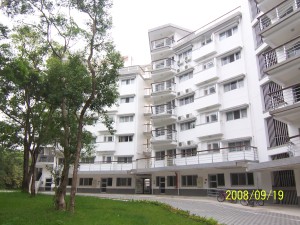
On-campus Housing Fees
1. Main Campus
| Room Type | NTD | USD |
|---|---|---|
| Single Room | 16,920–27,800 | ≈555–912 |
| 2-person Room | 10,920–16,600 | ≈358–544 |
| 4-person Room | 7,410–11,250 | ≈243–369 |
The above amounts are approximate; please refer to the university for the actual fees.
2. Nanda Campus
| Room Type | NTD | USD |
|---|---|---|
| 4-person Room | 7,730 | ≈254 |
| 6-person Room | 7,030 | ≈231 |
The above amounts are approximate; please refer to the university for the actual fees.
-
For detailed on-campus housing fees, please refer to page 75 of the admissions brochure:
https://oga.site.nthu.edu.tw/var/file/524/1524/img/4520/847786807.pdf -
Fee Schedule for On-Campus Dormitories (Based on Academic Year 2025 Fall Semester):
https://sthousing.site.nthu.edu.tw/var/file/254/1254/img/1020/11410HousingRates.pdf -
Notes:
Graduate students are primarily assigned to single rooms or double rooms.
The above housing fees do not include the security deposit or air-conditioning fees.
The amounts listed are for reference only; National Tsing Hua University reserves the right to make adjustments.
Other Estimated Costs
| Items | TWD | USD |
|---|---|---|
| Off-campus housing | 7,000–12,000 | ≈230–393 |
| Meals | 8,000–10,000 | ≈262–328 |
| Books and course materials (per semester) | 3,000–5,000 | ≈98–164 |
| Transportation (e.g., intercity commute) | 1,000–3,000 | ≈33–98 |
| Other expenses (e.g., personal items) | 1,000–3,000 | ≈33–98 |
-
These estimates represent the average monthly living expenses for students at NTHU. The monthly cost is approximately NTD 8,000–15,000 (≈ USD 262–492). Actual expenses may vary depending on individual lifestyle and needs.
Scholarship Resources
1. International Students
| Category | TWD | USD | Notes |
|---|---|---|---|
| Type (A) Full Scholarship (Master) | 5,000 per month | ≈164 | Full tuition and fees waived |
| Type (B) Tuition Waiver (Master) | - | - | Full tuition and fees waived |
| Type (A) Full Scholarship (Doctor) | 10,000 per month | ≈328 | According to the College of Humanities and Social Sciences |
| Type (B) Tuition Waiver (Doctor) | - | - | Full tuition and fees waived |
-
Reminder (Award Period)
-
Please refer to pages 76–78 of the admissions brochure for details on international student scholarships:
https://oga.site.nthu.edu.tw/var/file/524/1524/img/4520/847786807.pdf -
Regulations for the National Tsing Hua University International Student Scholarship:
https://oga.site.nthu.edu.tw/p/412-1524-18668.php?Lang=zh-tw -
Eligibility: Applicants must be international degree students applying under the Ministry of Education’s Regulations Regarding International Students Undertaking Studies in Taiwan.
-
How to Apply: In the NTHU International Student Online Application System, go to “Personal Application Information” and check the option to apply for the NTHU International Student Scholarship.
-
Announcement of Results:
Fall Semester: Scholarship recipients are usually announced on the website around late May.
Spring Semester: Scholarship recipients are usually announced on the website around mid-December. -
For other on-campus and external scholarship opportunities, please refer to the following website:
http://sa.site.nthu.edu.tw/p/404-1480-168291.php?Lang=zh-tw
Master’s: The award is granted for two academic years. Recipients who pass the renewal review from the second year onward may continue receiving the scholarship each academic year. However, if a recipient’s academic performance in the current academic year does not meet the standards announced by the university, the scholarship will be suspended.
PhD students: The award is granted for four academic years. Recipients who pass the renewal review from the second year onward may continue receiving the scholarship each academic year. However, if a recipient’s academic performance in the current academic year does not meet the standards announced by the university, the scholarship will be suspended. Recipients must reapply for the scholarship in their fifth year of study.
2. Overseas Chinese Students
| Scholarship Name | Program Level | Award Amount per Recipient | Academic Requirements | Relevant Links |
|---|---|---|---|---|
| 國立清華大學優秀僑生研究生獎學金 | Master’s Program / Doctoral Program | 10,000 per month | Average academic score GPA 3.38 (80分) | Related Links |
| 僑務委員會受理捐贈僑生獎助學金 | Undergraduate Students / Graduate Students (Year 2 and above) | 5,000–25,000 per award | Average academic score GPA 2.93 (75分) | - |
| 南山人壽優秀僑生獎學金 | Undergraduate Students (Year 3 and above) and Master’s Students | 10,000 per award | Average academic score GPA 3.5 (81.5分) | - |
| 全國緬甸僑生急難救助金 | Doctoral, Master’s, and Undergraduate Students | Determined by the reviewing authority | - | Related Links |
-
Guidelines for scholarships for Overseas Chinese students can be found in the National Tsing Hua University International Student Scholarship Regulations:
https://oga.site.nthu.edu.tw/p/412-1524-18668.php?Lang=zh-tw
3. Mainland Chinese Students
-
Guidelines for scholarships for Mainland Chinese students can be found in the National Tsing Hua University International Student Scholarship Regulations:
https://oga.site.nthu.edu.tw/var/file/524/1524/img/261037434.pdf
4. Scholarships and Work Opportunities Offered by the Department
| Category | Amount Granted | Notes |
|---|---|---|
| Summer Fieldwork Grant | According to departmental announcements | Eligible for application upon completion of Methodology, Fieldwork Practicum, and passing the qualifying examination |
| Graduation Fieldwork Grant | According to the Regulations for Fieldwork Funding Applications, Department of Anthropology, NTHU | Must pass the proposal oral examination |
| 魏捷茲教授暨陳昱仁校友獎學金 | According to the scholarship application regulations | Must pass the thesis proposal defense and obtain a minimum grade of A– in all departmental courses |
| 林淑蓉教授紀念論文獎 | According to the scholarship application regulations | Completion of the master's or doctoral thesis is required |
| TA / RA | According to departmental announcements | A Work Permit is required |
-
The department’s summer fieldwork grant is approximately NT$10,000, and the graduation fieldwork grant is approximately NT$20,000. The exact amount will follow the department’s official announcement.
-
Regulations for Fieldwork Funding Applications, Department of Anthropology, National Tsing Hua University:
https://anth.site.nthu.edu.tw/p/405-1394-297531,c22553.php?Lang=zh-tw -
魏捷茲教授暨陳昱仁校友 Scholarship Application Guidelines:
https://anth.site.nthu.edu.tw/p/405-1394-276433,c19529.php?Lang=zh-tw -
林淑蓉教授 Memorial Thesis Award Application Guidelines:
https://anth.site.nthu.edu.tw/p/405-1394-276431,c19529.php?Lang=zh-tw -
Reminders:
Please carefully evaluate your course load for the following semester before applying.
International students must obtain a Work Permit before taking on any on-campus or off-campus employment.
Mainland Chinese students are legally prohibited from holding part-time employment in Taiwan.
Study & Life
Curriculum and Degree Requirements
The Institute has recently offered the following courses taught entirely in English:
| Course Title | Course Description |
|---|---|
| Ethnographies of Oceania | Ethnographers working in Oceania have frequently been the driving force of anthropological theories. In this course, we will be reading and discussing contemporary classic ethnographies of Oceania from the 80s that built on these pioneering endeavors. Writings by historian and indigenous scholar are also included. Through these works, we will be able to see the fascinating human complexity in this vast region that inspired these intellectual quests. |
| Ethnography of Environment and Society in China and Taiwan | China represents nearly one-quarter of the world’s population and has exerted a powerful influence on the modern world and the natural environment, both domestically and abroad. Course topics and readings will draw from a variety of ecological questions and perspectives from the social sciences including ethnoecology, historical ecology, political ecology, multi-species studies, and science and technology studies. Through these approaches, we will survey some of the most important environmental issues in China such as sustainability, air and water pollution, dams and hydropower, ecosystem conservation, rural livelihood transitions, food safety, and recent government campaigns developed to create an "ecological civilization." |
| Contemporary Archaeological Theories and Methods |
1. Familiar with important contemporary archaeological theories relating to students’ research topics 2. Critical reading 3. Academic English for Archaeology |
| Advance Cultural Anthropology | This seminar aims at providing an overview of cultural anthropology. We will start with an intensive review of some core concepts of the discipline and then we will introduce the basic research methods and the major theoretical orientations that were formulated since the late nineteenth century. Having a good understanding of the major schools of anthropological theory, we will then focus on the cultural institutions and examine how different cultural anthropologists employed various theories to explain variations and similarities of these institutions as they were found across time and spaces. |
| Austronesian Taiwan | This seminar provides an overview of the studies on the Austronesian-speaking peoples in Taiwan, whose linguistic diversity has been described as “Taiwan’s Gift to the World”. It will start briefly with the archaeological and linguistic importance of Taiwan in the theories of Austronesian Expansion and then explore themes that are common to indigenous peoples of Taiwan and the greater Austronesian world (e.g. house ideology, emplacement, status competition and precedence, origin and ancestry etc.). Students will be exposed to the Formosan cultural diversity and research potentials that are crucial and current to the life of indigenous peoples on the island. |
| Cultures and Societies of Southeast Asia | This is a graduate seminar dedicated to the exploration of classic and contemporary ethnographic texts about Southeast Asian societies. Designed for graduate students whose area focus is Southeast Asia, or whose theoretical concerns merit a close reading of key texts on the syllabus, the course will engage with canonical work, such as the writings of Clifford Geertz, Edmund Leach, James C. Scott, Benedict Anderson, Anna Tsing, and others, as well as with emerging voices in Southeast Asian studies such as Erik Harms and Andrew Johnson. The course is particularly well suited to students in Anthropology and Asian Studies interested in writing ethnographically about the region, and in gaining a sense for the particularities of Southeast Asia through intimate ethnographic narratives. Students will engage not only with the theoretical insights advanced by core texts, but also with the relationship between ethnographic research and the production of “theory”, and with questions of tone, voice and style in ethnographic writing. Finally, the course provides students with the opportunity to write their own theoretical and/or ethnographic texts, and will include writing workshops for course participants. |
| Archaeology of Taiwan | This course introduces students to the cultural history of Taiwan, archaeological topics, and contemporary practices in Taiwanese archaeology, while also drawing parallels with archaeological developments in other regions of the world. The first half of the course offers an overview of the development of the discipline of archaeology in Taiwan, followed by the cultural history from the Paleolithic period, Neolithic period, Metal Age, to the historical periods through archaeological studies to establish a chronological framework for students. The later part of the course delves into various topics and current issues in Taiwan archaeology, exploring their connections to neighboring regions and global archaeological trends. By examining the historical and social contexts that have shaped Taiwanese archaeology, students will gain a comprehensive understanding of its development. Furthermore, the course addresses ethical considerations in contemporary archaeology, fostering an understanding of best practices in the field. |
-
Non-major Course-taking Requirements
For detailed regulations for the Master’s/Ph.D. programs, please refer to the Regulations for the Master’s Program in Anthropology, National Tsing Hua University:
https://anth.site.nthu.edu.tw/p/405-1394-227091,c19528.php?Lang=zh-tw
https://anth.site.nthu.edu.tw/p/405-1394-227100,c19528.php?Lang=zh-tw -
Doctoral students are required to complete certain prerequisite courses.
If a student has not previously taken the institute’s designated doctoral prerequisite courses during their master’s studies—Special Topics in Cultural Anthropology, Anthropological Methods or Archaeological Methods, Ethnographic Fieldwork or Archaeological Fieldwork, and Area Studies—the student must make up these courses after admission. These prerequisite courses do not count toward the 30 credits required for the doctoral degree.
Thesis Language Requirement
The thesis may be written in English.
Institute Faculty
Full-time Faculty
| Name | Position | Research Areas | Personal Website |
|---|---|---|---|
| 邱鴻霖 Chiu, Hung-Lin | Associate Professor / Director of the Institute |
(1) Archaeology (2) Physical (Biological) Anthropology (3) Prehistory of Taiwan |
Personal Website |
| 臧振華 Tsang, Cheng-hwa | Distinguished Professor |
1. Taiwanese, Chinese and Southeast Asian archaeology 2. Settlement archaeology, Social archaeology 3. Historical archaeology 4. Cultural Resources Management 5. Underwater archaeology |
Personal Website |
| 黃芊妤 C. Julia Huang | Professor | Religion, Globalization, Gender, Civil society and the State, Charity, Bodily Donations | Personal Website |
| 顧坤惠 Ku, Kun-Hui | Associate Professor | Anthropology of Religion, Anthropology of History, Austronesian Societies and Cultures, Material Culture | Personal Website |
| 許瀞文 Hsu, Ching-Wen | Associate Professor | Urban Anthropology, Space, Transnationalism | Personal Website |
| 呂玫鍰 Lu, Mei-Huan | Associate Professor | Anthropology of Religion, Anthropology of History, Society and Culture of Han Chinese | Personal Website |
| 李威宜 Lee, Wei-I | Associate Professor | Museum and cultural assets, Environmental Anthropology, Ethnic groups and politics, History of Taiwan | Personal Website |
| 方怡潔 Fang, I-Chieh | Associate Professor | Migration, Youth, Education and Learning, Labour/Work, Economic Anthropology, Social Change, Gender | Personal Website |
| 林浩立 Hao-Li Lin | Associate Professor | Environment, Agriculture, Development, Conservation, Sovereignty, Sports, Popular Music, Hip-Hop | Personal Website |
| 謝艾倫 Ellen Hsieh | Associate Professor | Historical Archaeology, Maritime Archaeology, Global History, Colonialism, Archaeometry | Personal Website |
| 王儷螢 Li-Ying Wang | Assistant Professor | Pericolonial studies, Archaeology of food, Organic geochemistry, Computational archaeology, Data science | Personal Website |
Jointly Appointed Faculty
| Name | Position | Research Areas | Personal Website |
|---|---|---|---|
| 劉紹華 Liu, Shao-Hua | Jointly Appointed Faculty | Anthropology, Health Care, Globalization, Modernity, Gender, Social Disaster and Community Resilience | Personal Website |
| 賴婉琪 Lai, Yuen-Ki | Jointly Appointed Faculty | Cultural Anthropology, Gender and Queer Studies, Migrant Labor, Social Movements, Gerontology | Personal Website |
Adjunct Part-time Faculty
| Name | Position | Research Areas | Personal Website |
|---|---|---|---|
| 黃樹民 Huang, Shu-min | Adjunct Faculty | Ecological Anthropology, Sustainable Agriculture, Medical Anthropology, Land Reform & Community Development | - |
| 陳中民 Chen, Chung-Min | Adjunct Faculty | Ecological Anthropology | Personal Website |
| Wilkerson, James R. 魏捷茲 | Adjunct Faculty | Anthropology of Religion, Symbolical Anthropology, Performance, Kinship Studies | - |
| 何翠萍 Ho, Tsui-Ping | Adjunct Faculty | Jingpo People, Personhood and Kinship Studies, Exchange, Historical Anthropology | - |
| 謝一誼 Hsieh, I-Yi | Adjunct Faculty | Environmental Humanities, Anthropology of Art, Urban Anthropology, Neo-materialism | - |
| 王冠文 Wang, Kuan-Wen | Adjunct Faculty | Archaeological Science, Glass Archaeology, Transactions and Interactions in the Iron Age of Taiwan | - |
-
For detailed information, please refer to our website:
https://anth.site.nthu.edu.tw/p/412-1394-19640.php?Lang=zh-tw
International Student Testimonials from Our Program
TerryAustronesian is the second most widely distributed language group in the world geographically, and the study of Indigenous peoples in its best outcome, honors what is, as it recognizes what is possible within our common humanity. To say it another way, history may repeat or rhyme, but Anthropology shows us what can be. Our program, taught in the most widely spoken language in the world, is a rigorous scholarship blending the fundamentals of respect with the promise of change and mutual understanding.
Ruthie
I appreciate the small class size so we get personalized teaching. I feel that the professors have provided a robust and academically rigorous curriculum. My most unexpected class that I liked was Archaeology. As a Native American, I was apprehensive about taking the class, but my professor was well-versed, up-to-date with community based archaeology and was very knowledgeable and aware about accommodations working with Indigenous people and it gave me confidence about the field as a whole and reversed some of the negative stereotypes I held about Archaeology specifically. I enjoyed that the department had English language presentations throughout my time here, notably bringing in Scott Simon, Dana Powell and DJ Hatfield. And even though I was not able to fully appreciate the Chinese speakers, a lot of them were able to answer me in English when I asked specific questions. I really liked my classmates and even though our cohort is small and has had a unique experience within Anthropology, I think that has bonded us together and made a good community.
Sam
As a scholar that focuses on affairs in Taiwan and the Sinosphere, being in a country where Chinese is the language of use has been great. I can improve my Mandarin here while studying both the language and the people who use it.
Kallen
Being in the Anthropology program has challenged me in the best of ways. I have been able to listen to multiple lectures regarding a variety of topics and engage in classroom debate with my peers where I always come away knowing something new. I like being able to see what new fields and theories anthropology is intertwining with--from political ecology and environmental anthropology and Indigenous studies and articulation. I've enjoyed taking classes here across a wide range of disciplines and topics from archaeology to specific classes on the wider Austronesian literature.
Photos
On mobile, swipe left/right to browse. On desktop, use the ◀/▶ buttons.
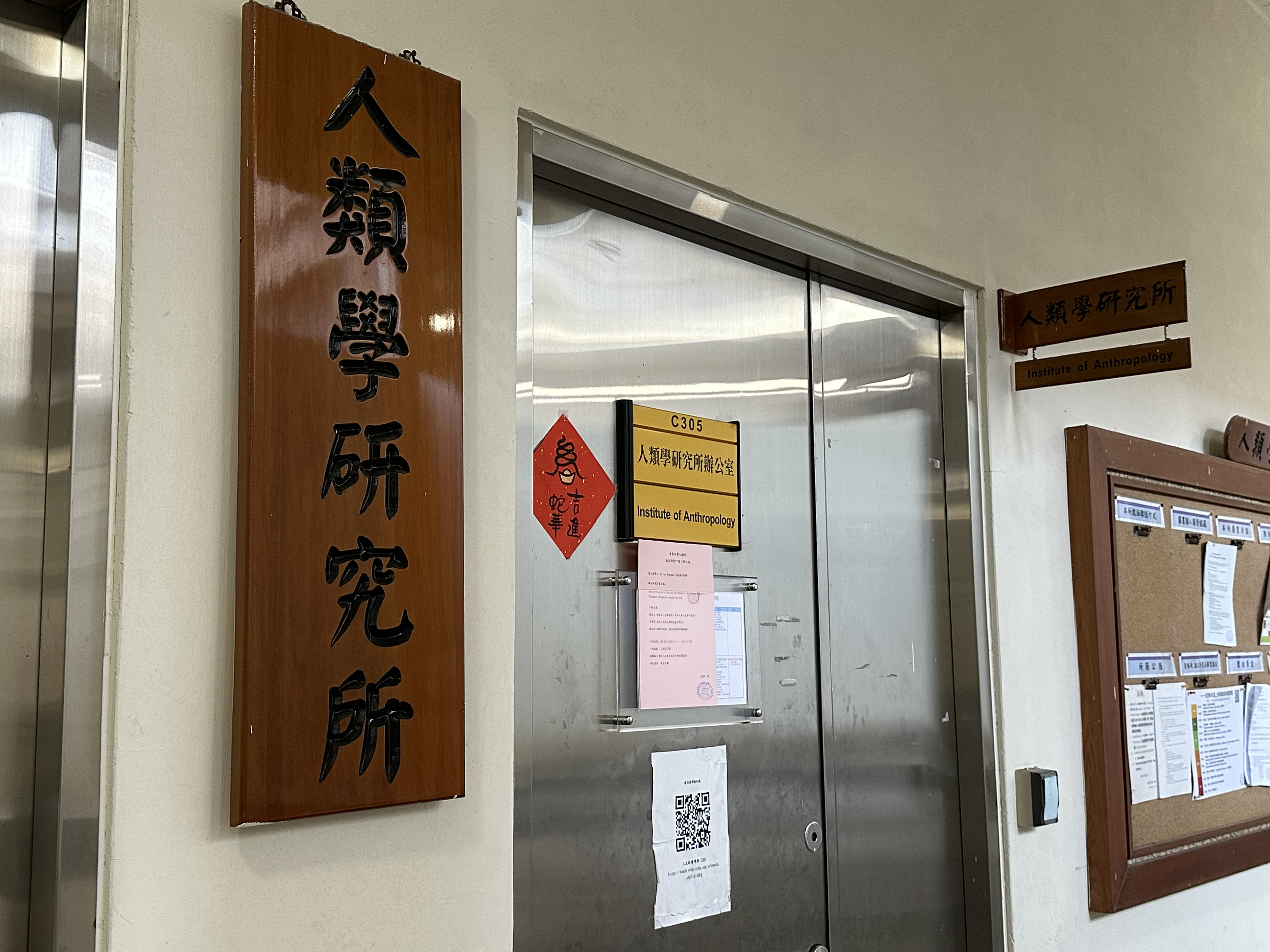
The Institute and Research Rooms
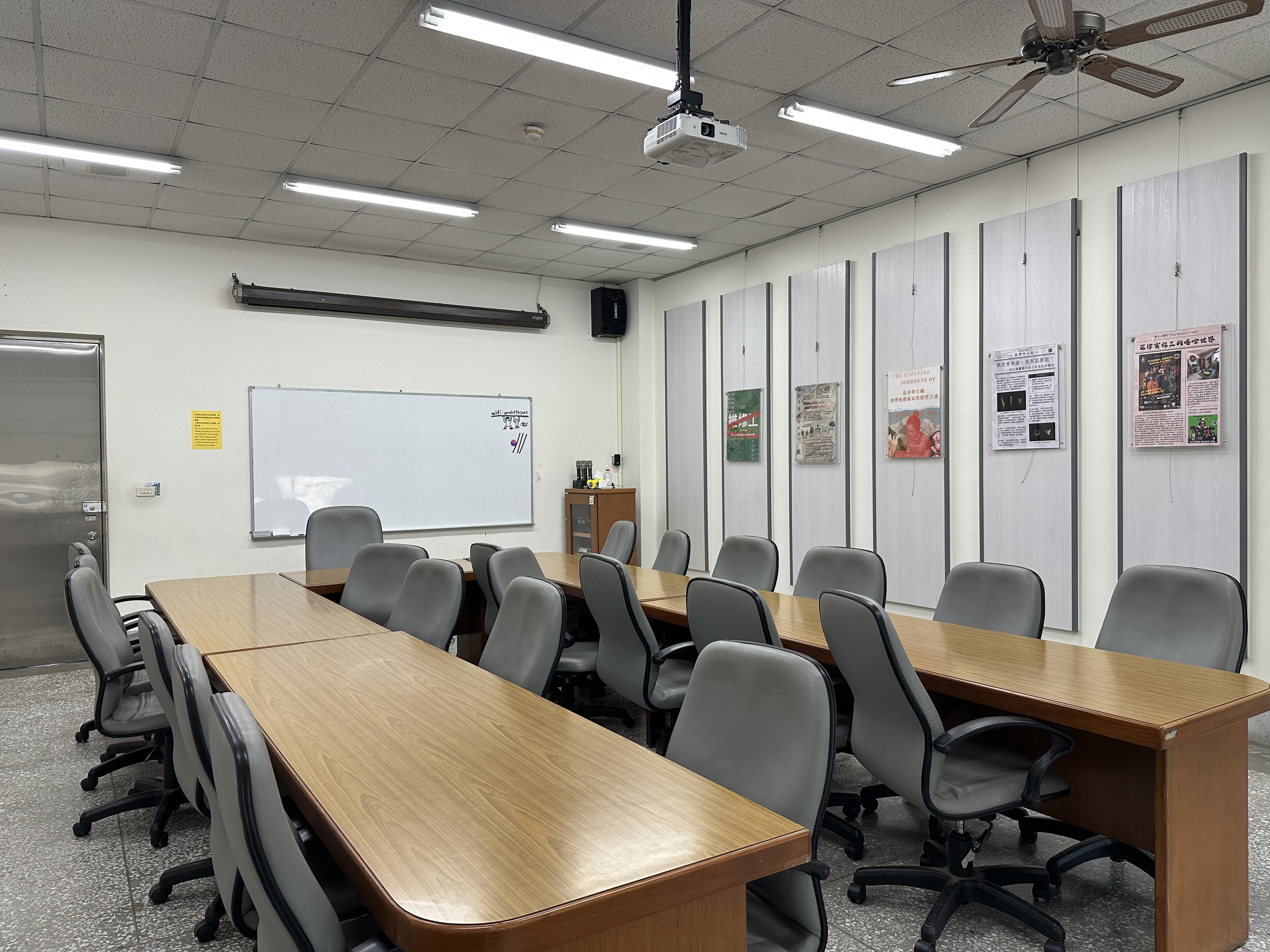
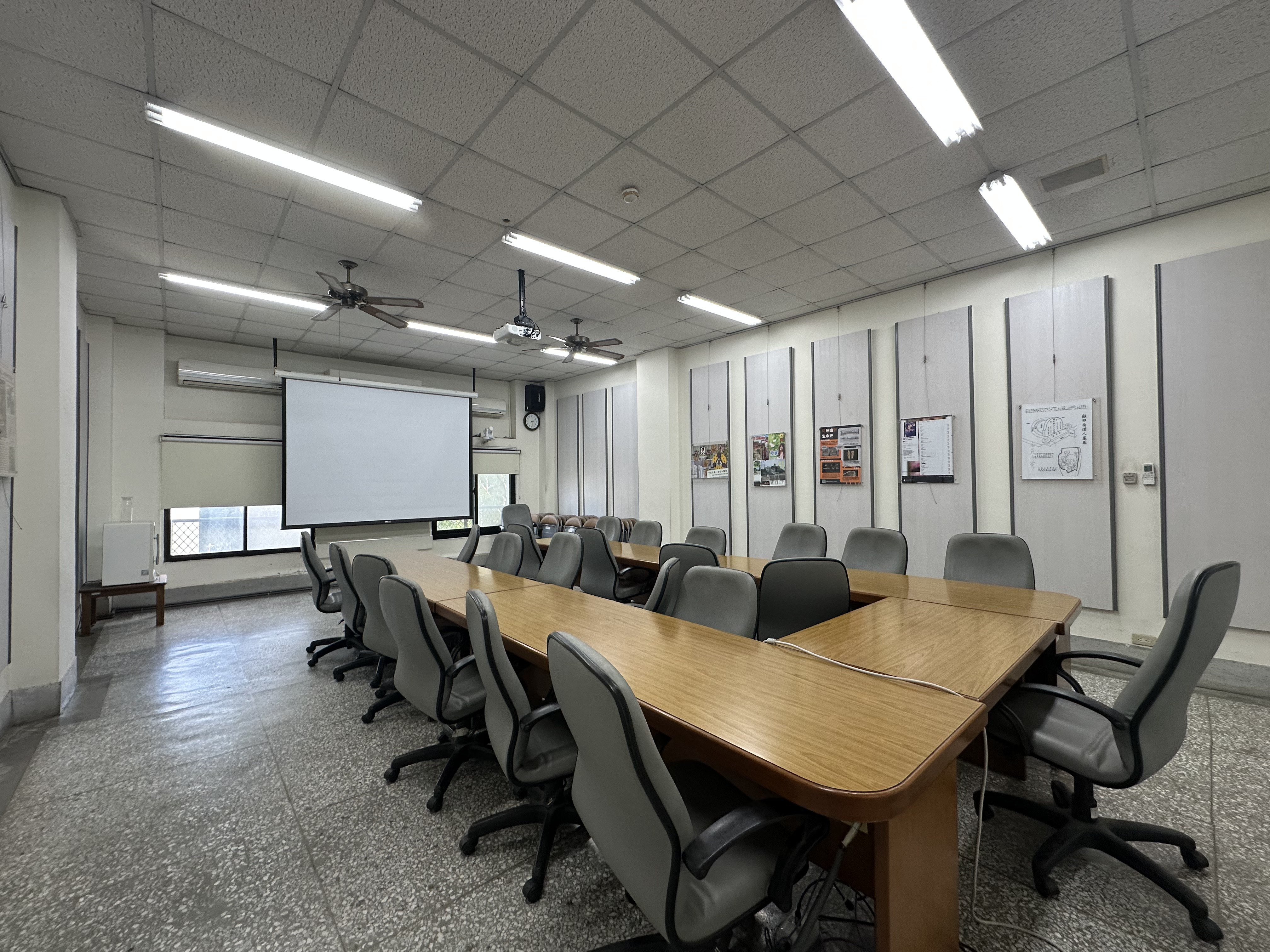
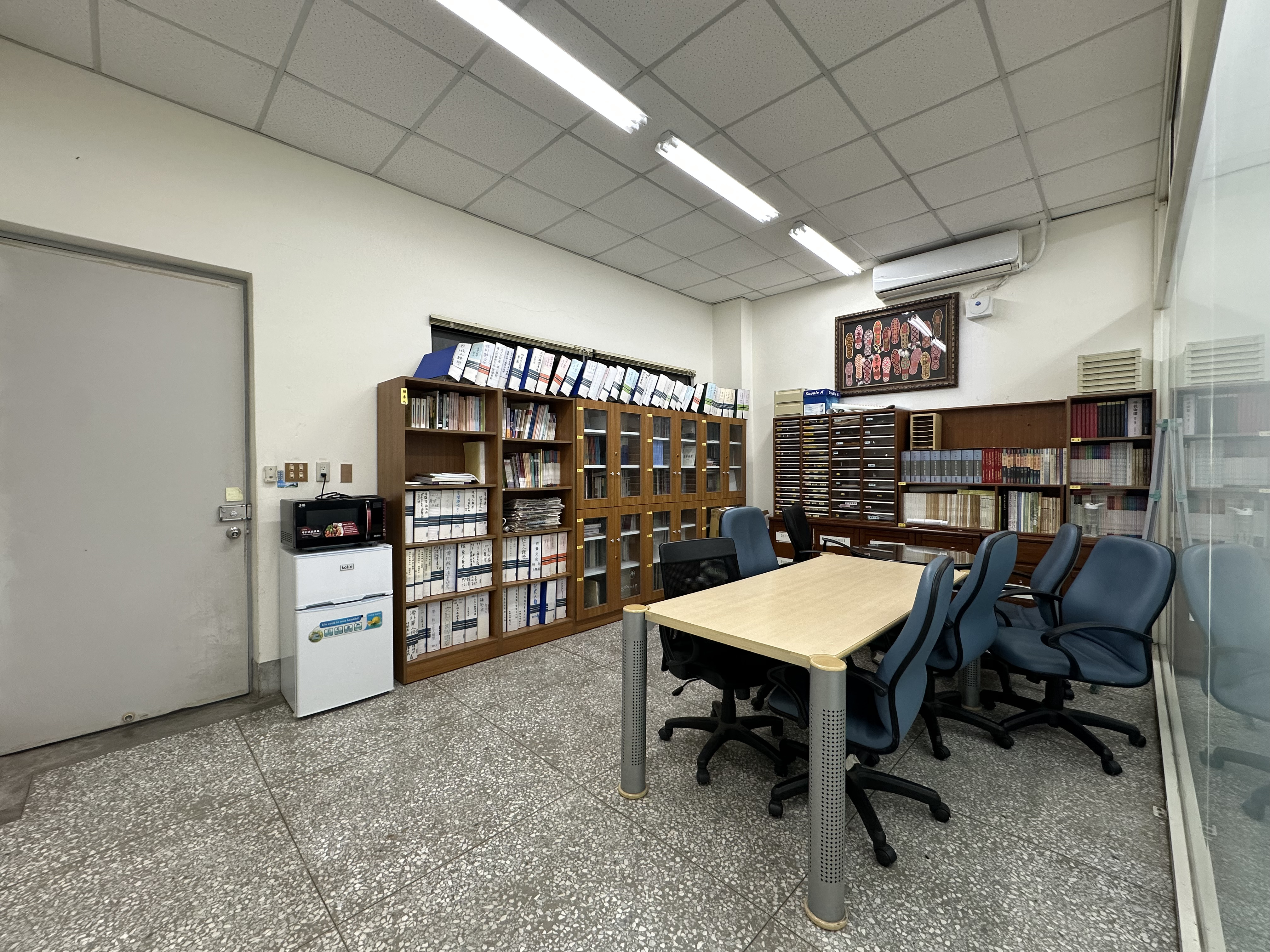
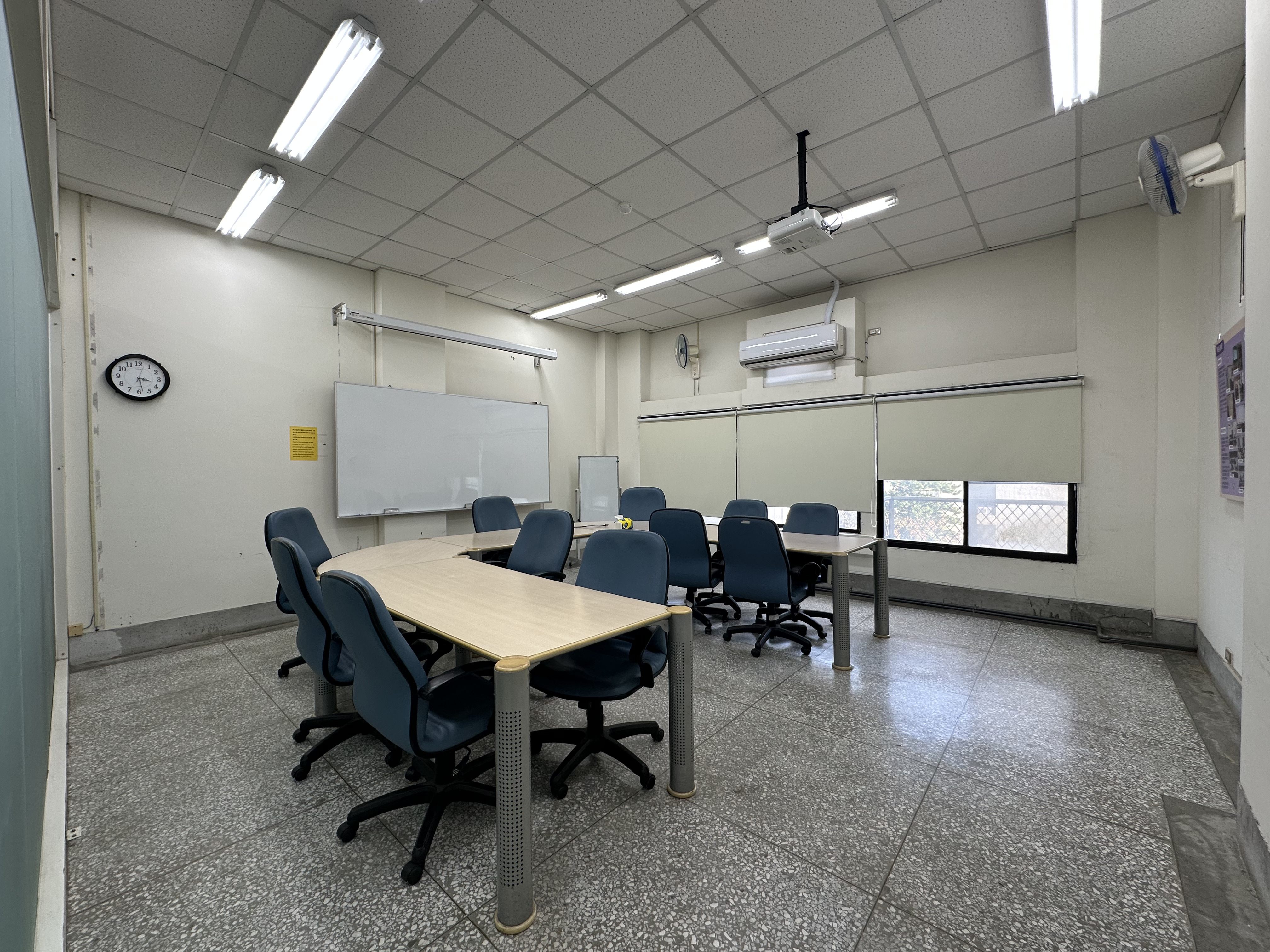
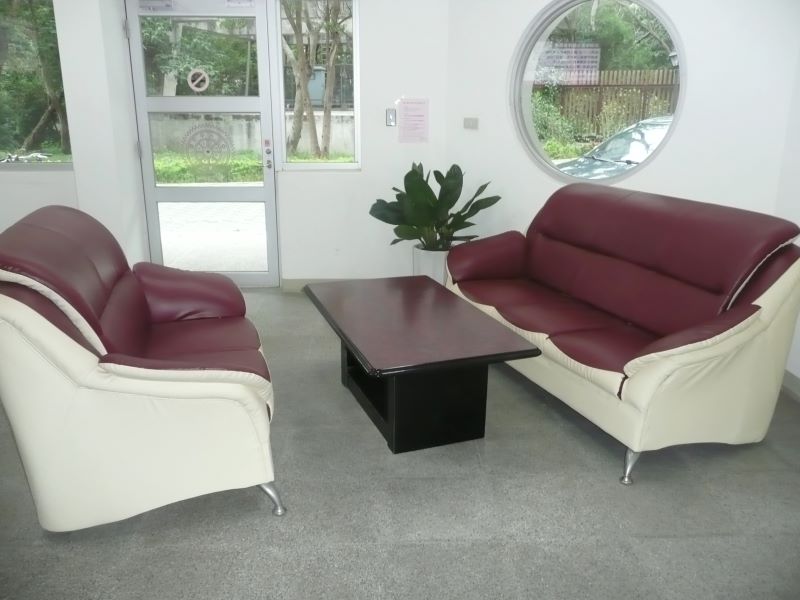
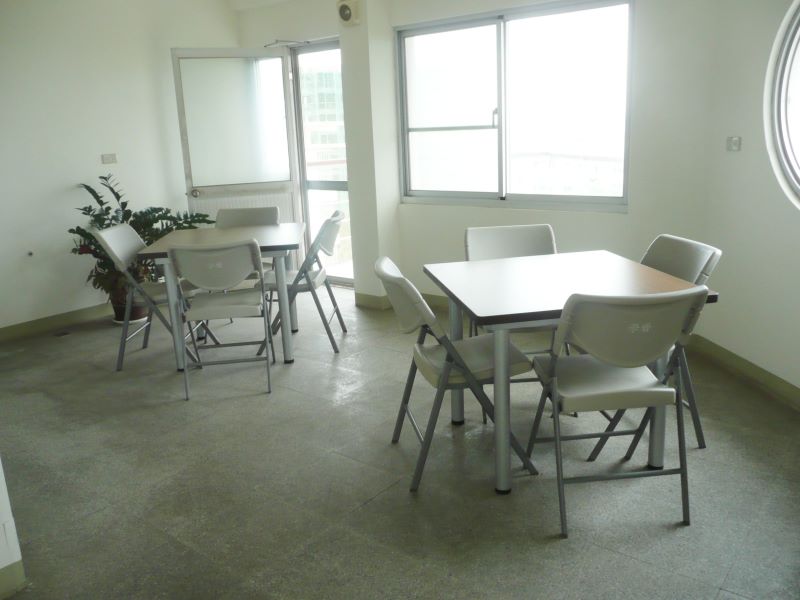
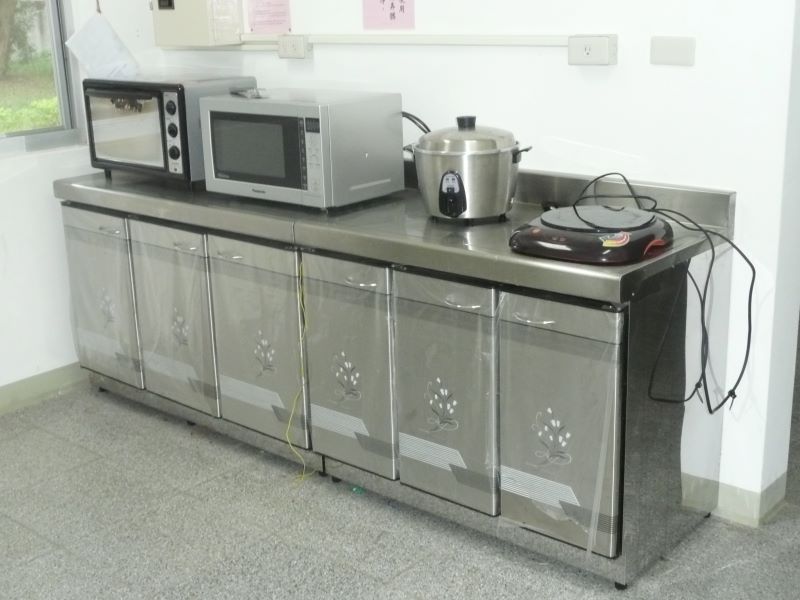
On-campus Dormitories

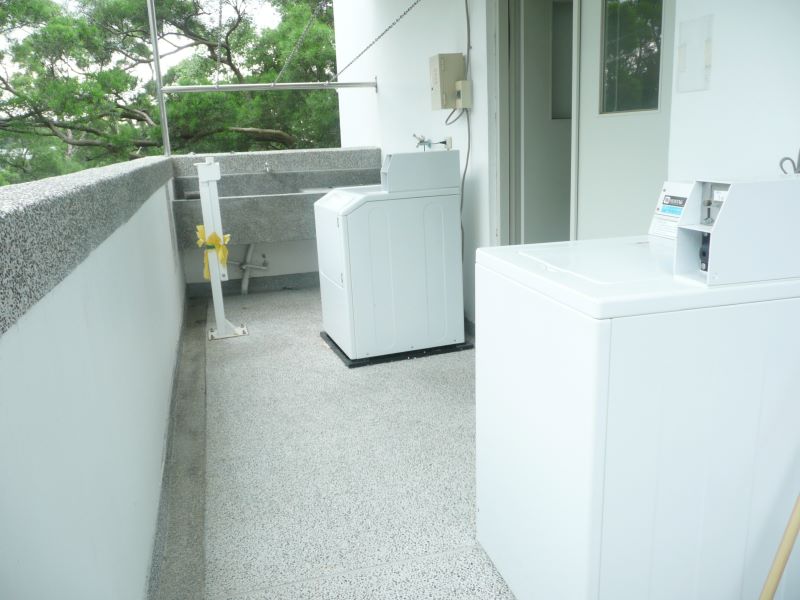


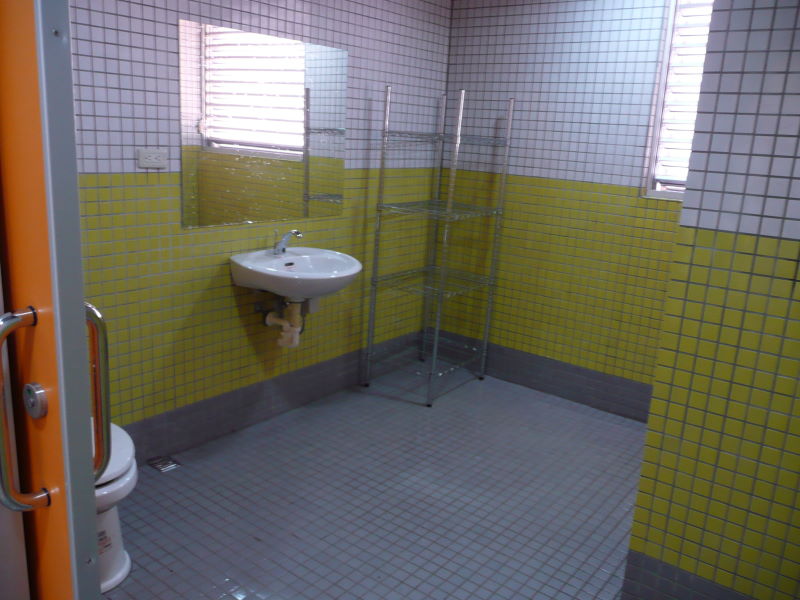
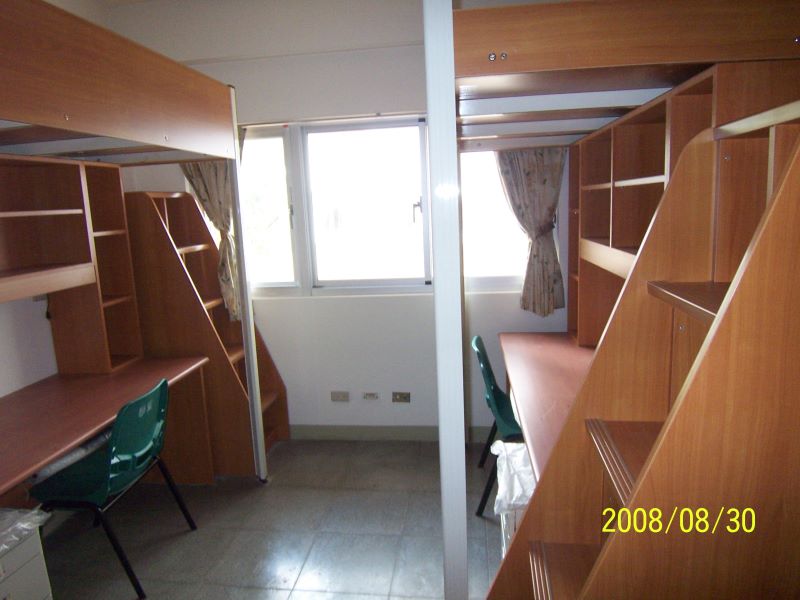
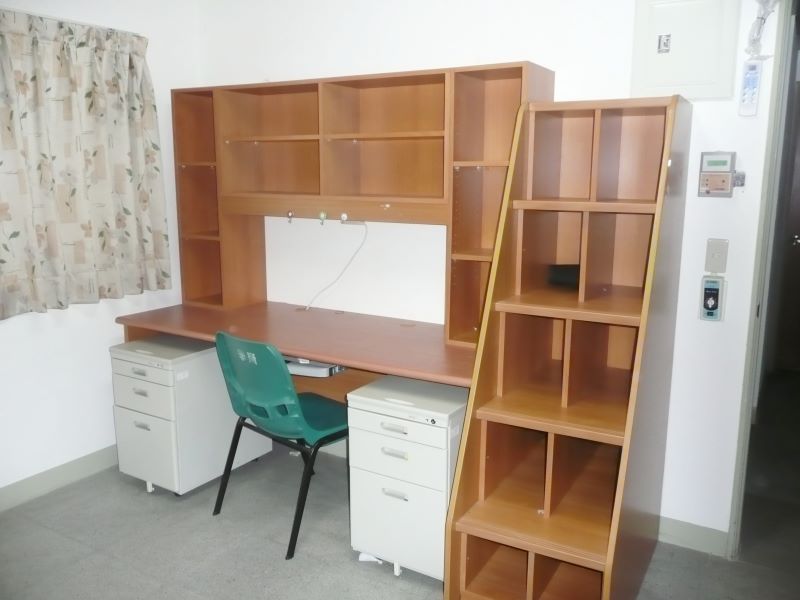
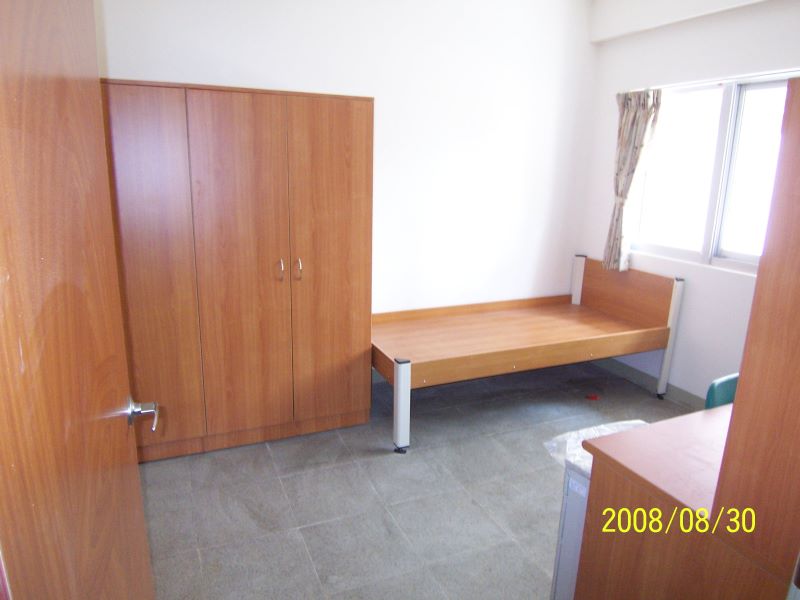
For more detailed dormitory photos, please refer to:
https://sthousing.site.nthu.edu.tw/p/404-1254-13731.php?Lang=zh-tw
Campus
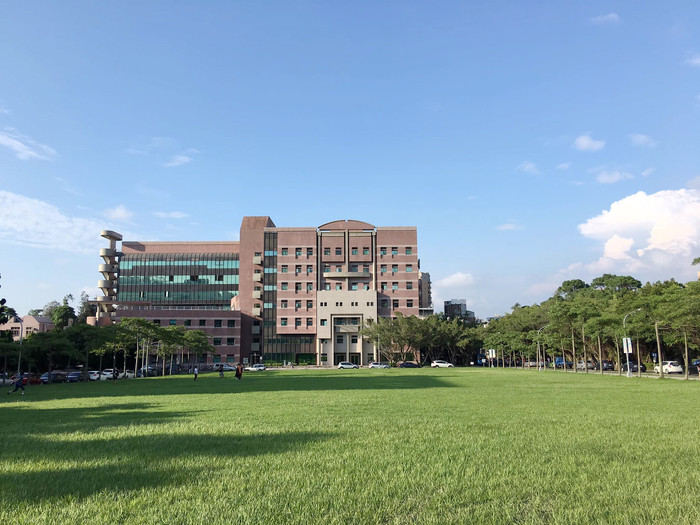
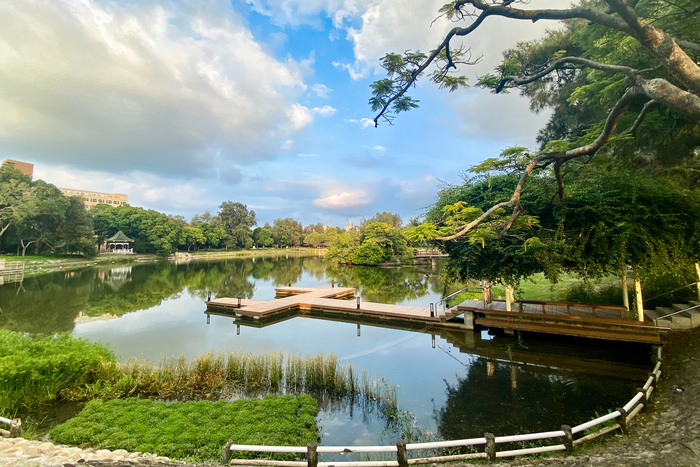
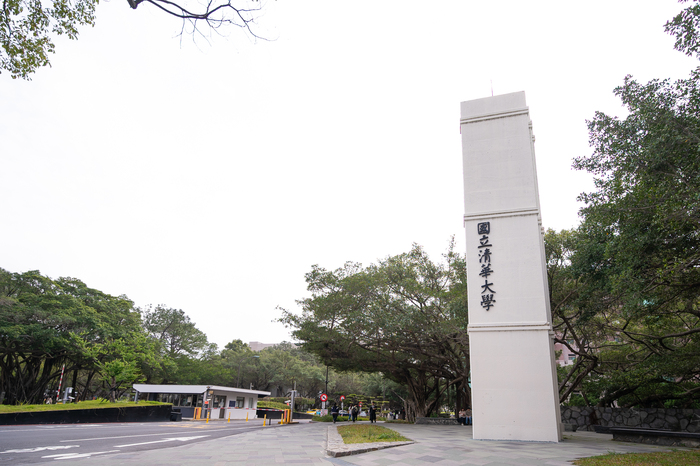
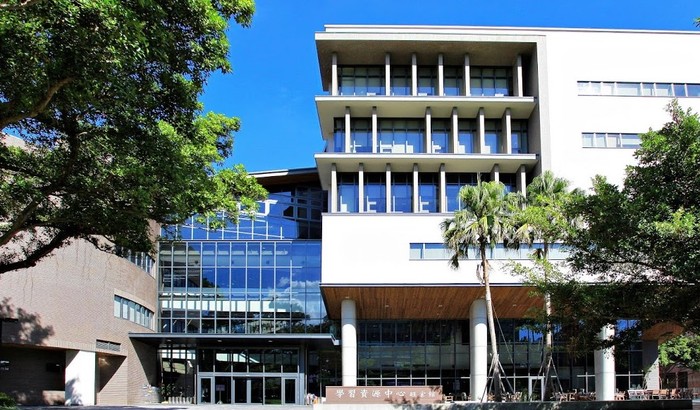
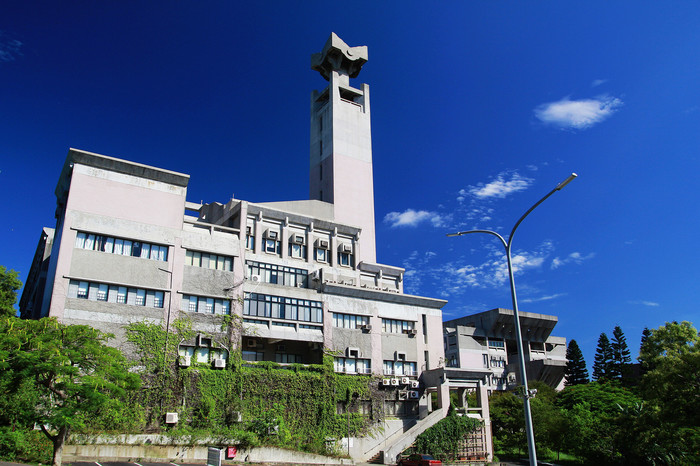
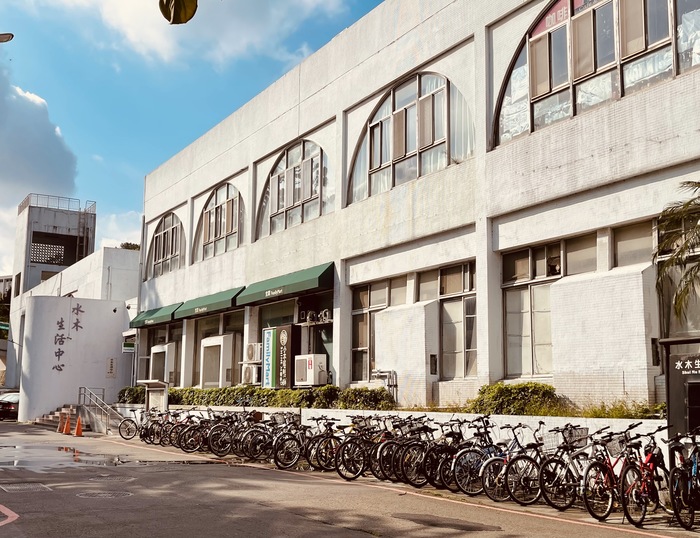
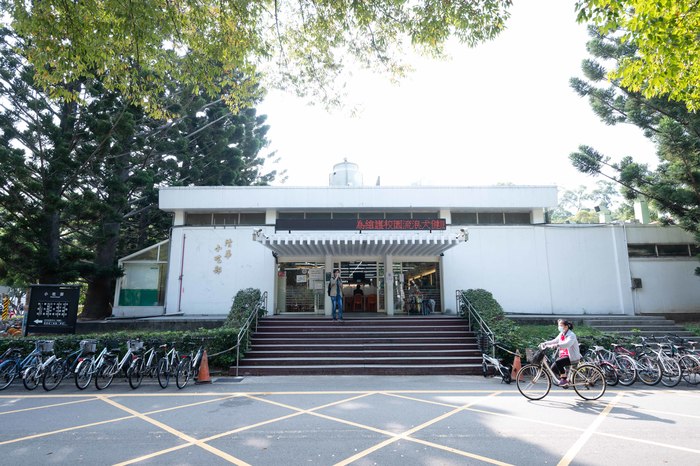
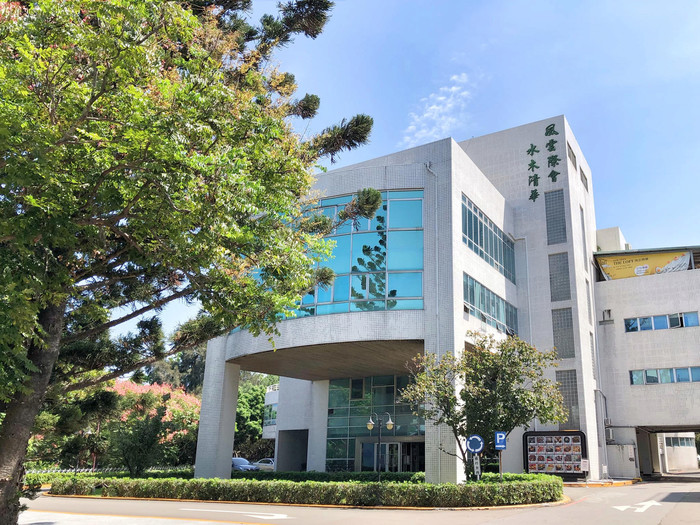
For more campus tours, please refer to:
https://attractions.site.nthu.edu.tw/p/403-1515-8697-1.php?Lang=zh-tw
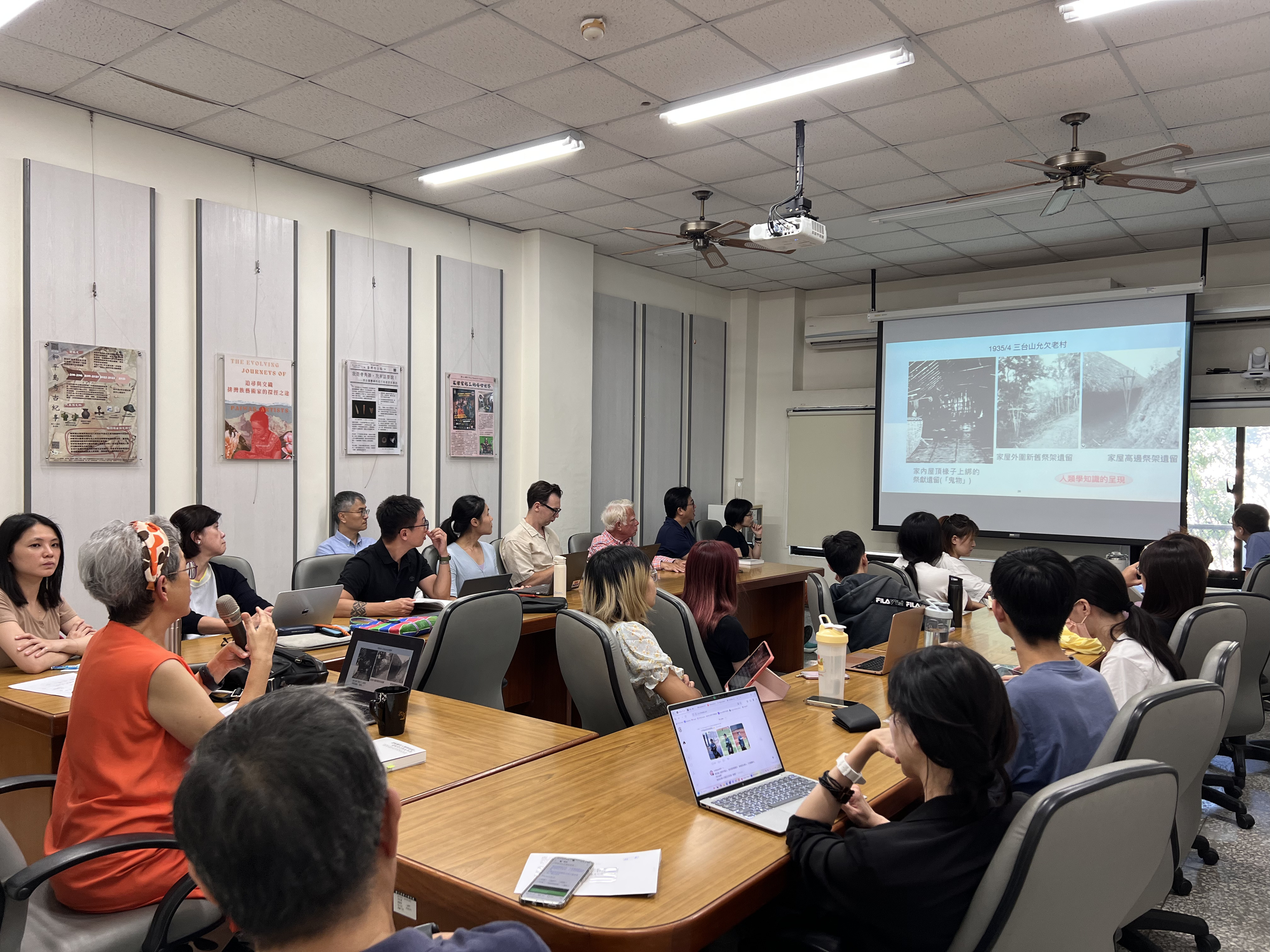
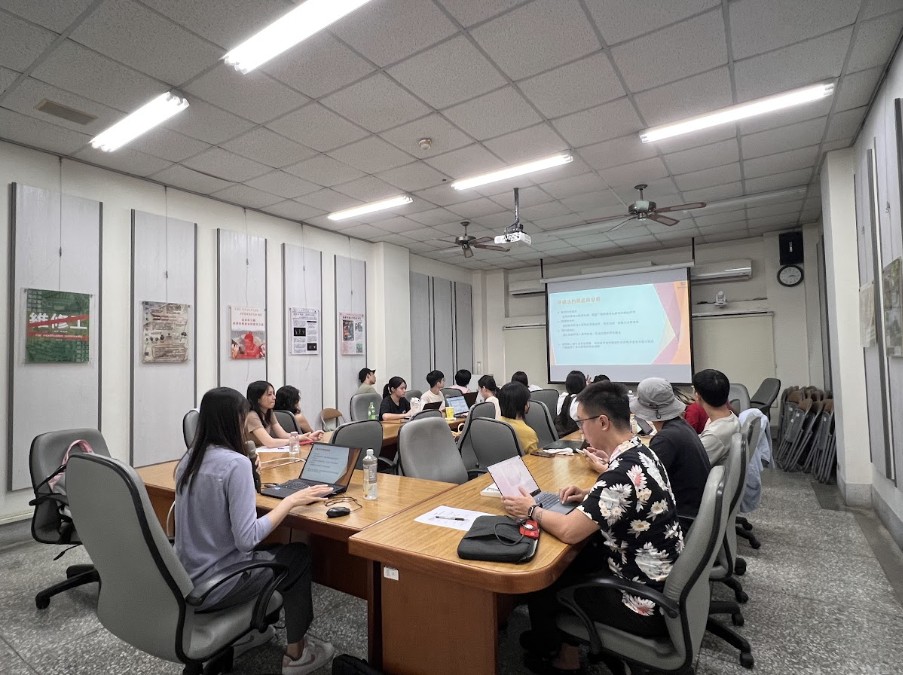
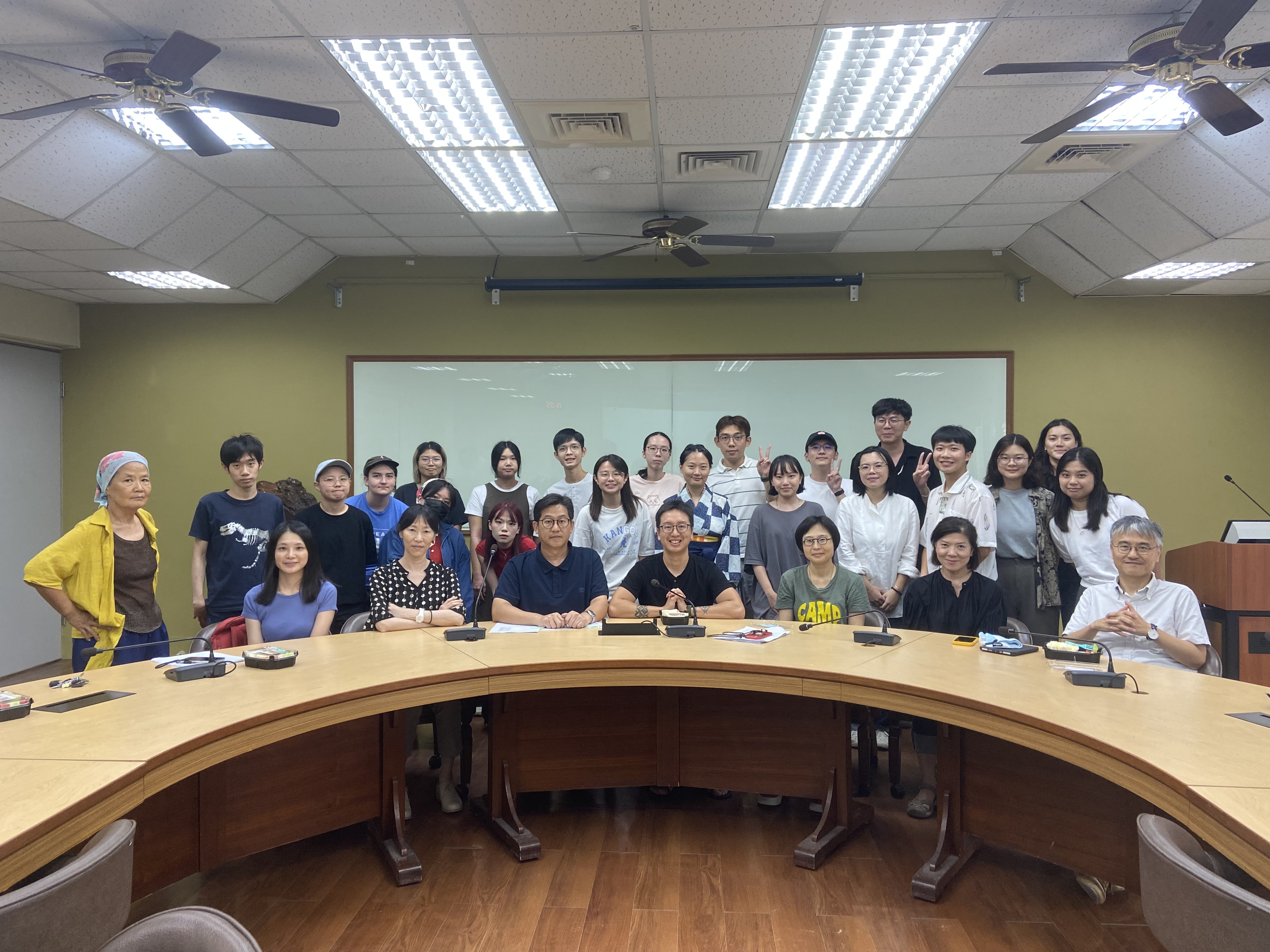
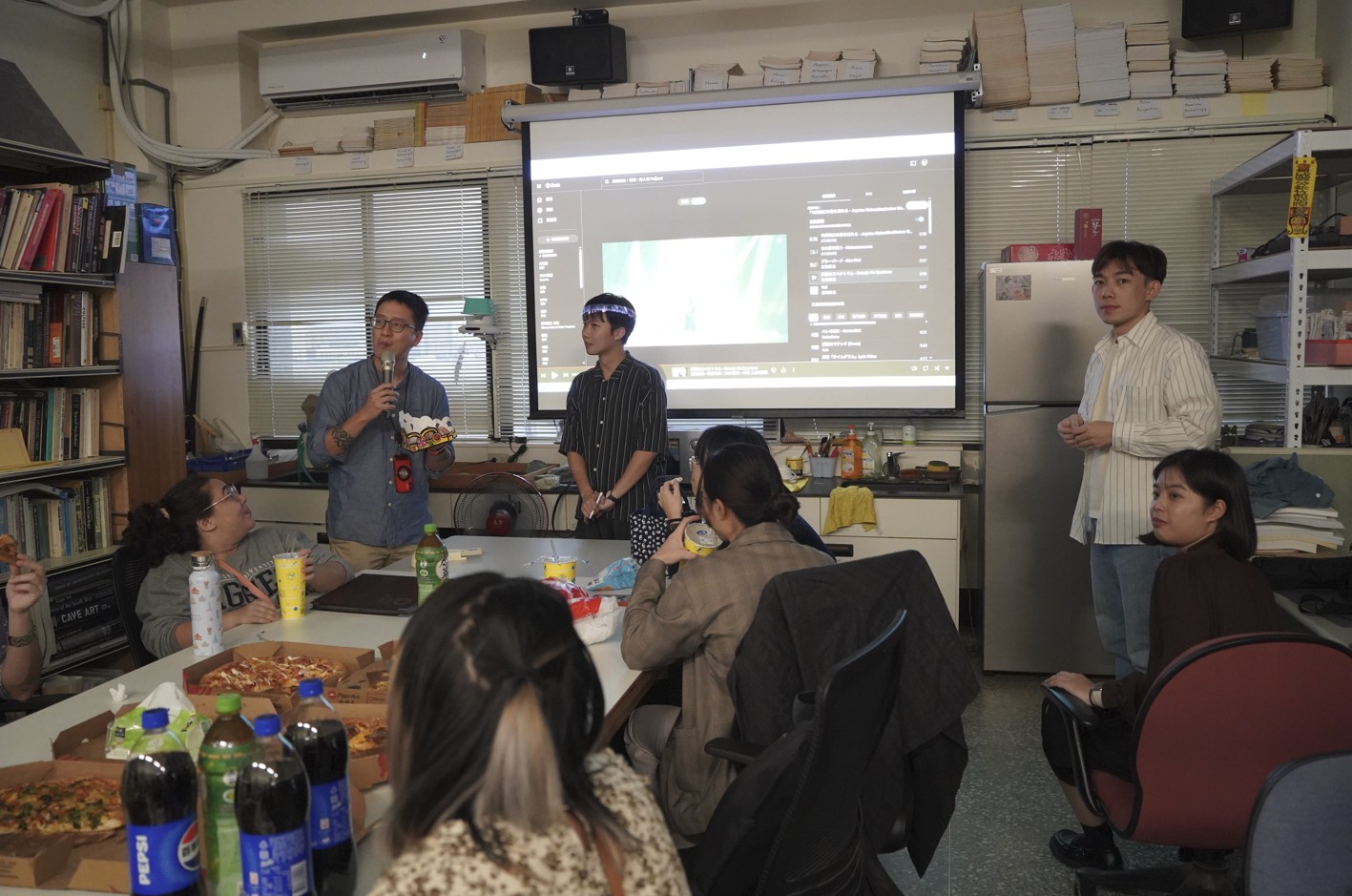
Institute Activities